



What is Gender Selection?
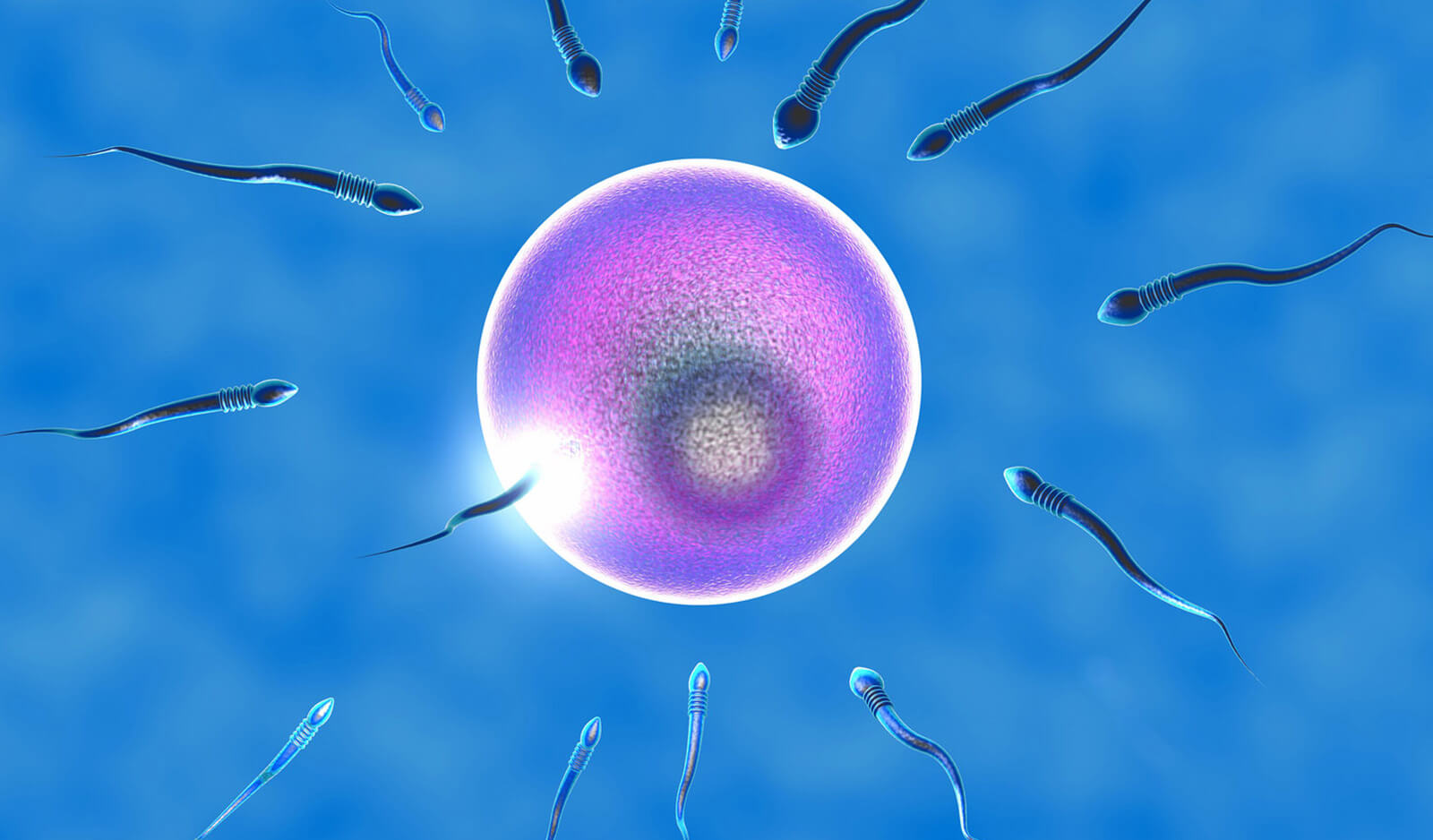
Gender selection is an in vitro fertilization treatment method that allows prospective mothers and fathers to determine the gender of their babies. In this treatment method, embryos with the desired gender are transferred to the uterus of the prospective mother. Thus, prospective mothers and fathers have the baby of the gender they want.
In in vitro fertilization treatment, the egg cells of the prospective mother and the sperm cells of the prospective father are combined in a laboratory environment and turned into embryos. A biopsy is performed on these embryos for genetic diagnosis purposes. The biopsy cells taken with the appropriate genetic diagnosis methods PGT (Preimplantation Genetic Diagnosis) and NGS (Next Generation Sequencing) are evaluated by genetic experts. In this way, genetic disorders, genetic carrier diseases and gender in the embryo are determined.
Non-medical methods applied for gender determination (nutrition, Chinese calendar, etc.) do not provide definitive results. Only by performing biopsy on embryos obtained during in vitro fertilization treatment (PGT) and methods such as FISH-NGS, a 99.9% definitive result is obtained. However, this should not be understood as a guaranteed pregnancy. The pregnancy rate of each prospective mother varies. This varies depending on the number of eggs, egg quality, embryo quality, age and the condition of the uterus. This rate (99.9%) is the accuracy rate of the gender of the result in case of pregnancy.